
Last updated October 30, 2026
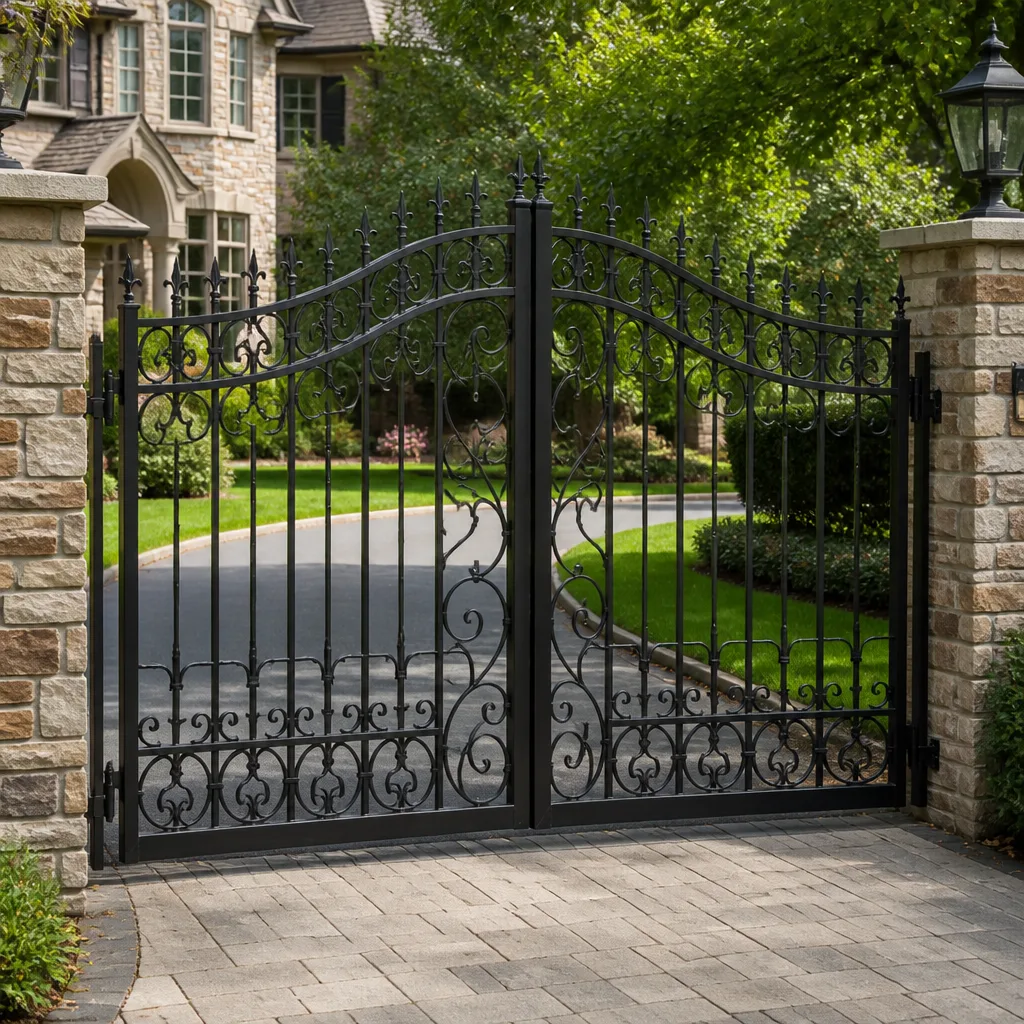 Wrought iron
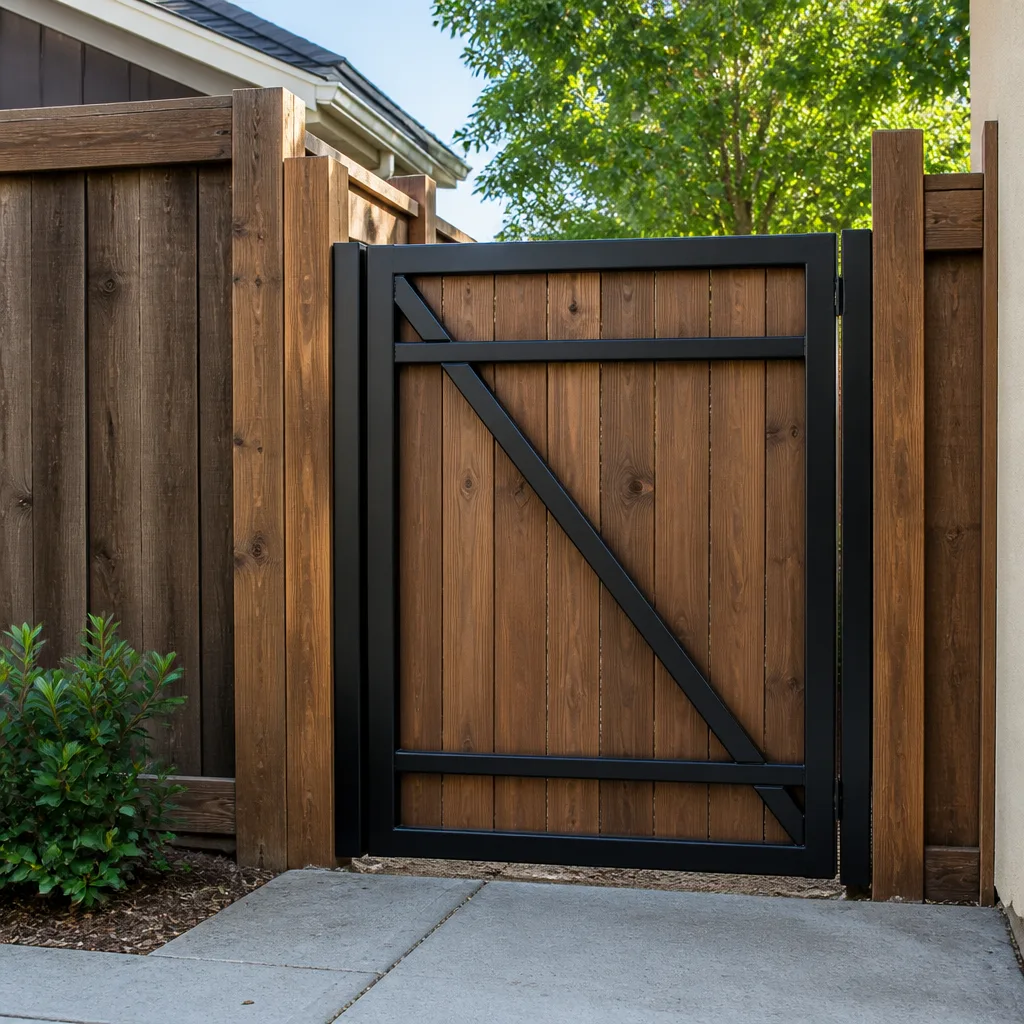 Wood & steel frame
 Farm & ranch
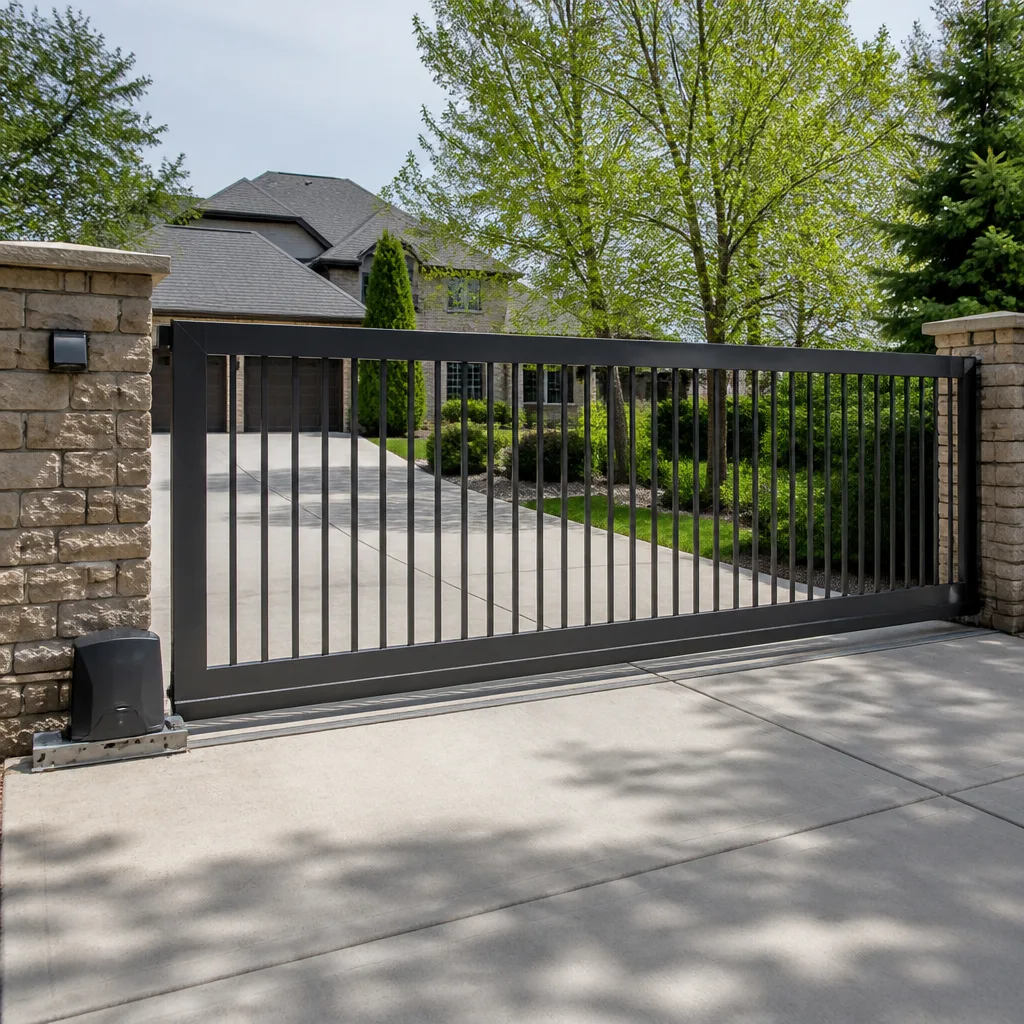 Sliding driveway gates
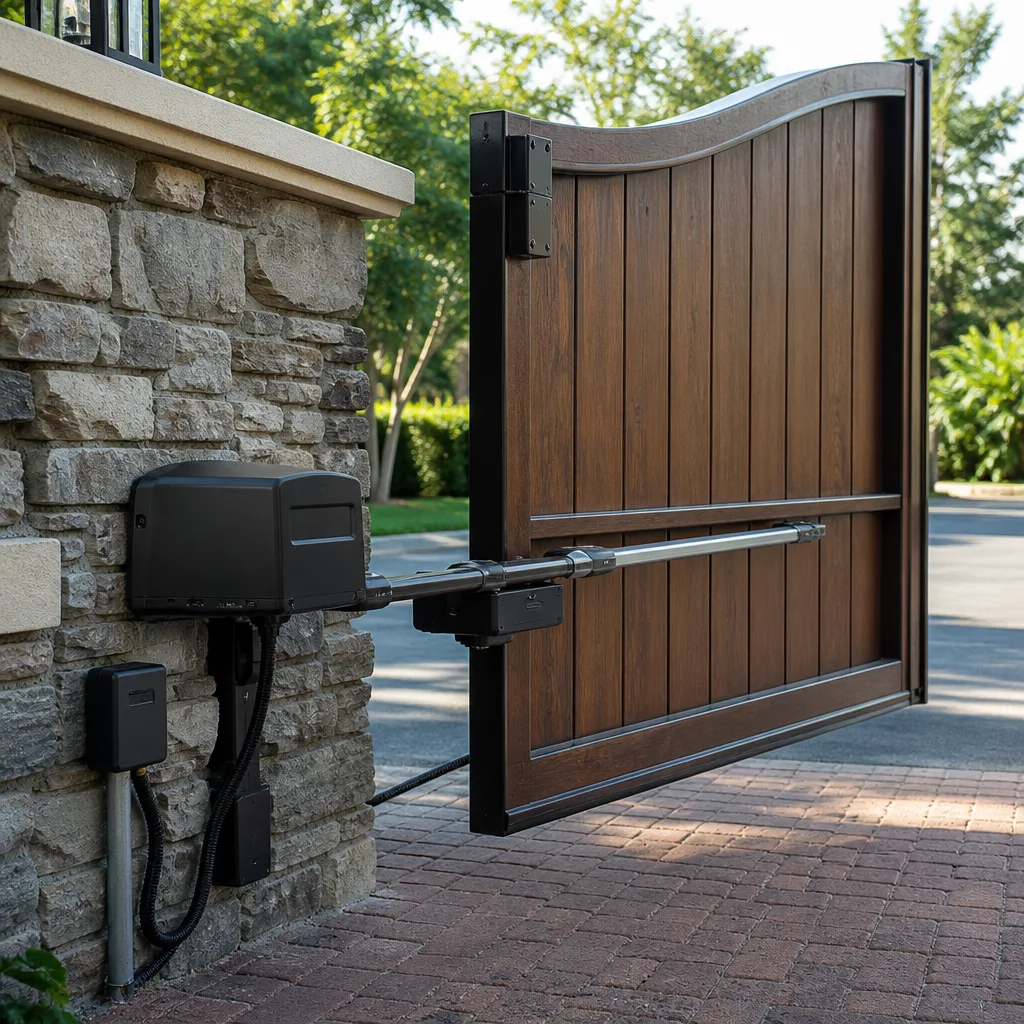 LiftMaster operators
Free on-site gate assessment - hinges, posts, and your LiftMaster or Nice gate operator checked before anything is quoted
The assessment is free and the quote is the invoice.
Get your free estimateGate Repair Emergency Preparedness Guide for Miami Gardens Homes
A gate that fails open at 2 a.m. is a security emergency. A gate that fails closed at 7 a.m. is a safety emergency. In Miami Gardens, where summer storms knock out power monthly and hurricane season runs half the year, the odds of facing one of these scenarios are higher than most homeowners realize. Yet in our experience, fewer than one in ten properties we visit has a working manual release key accessible, a battery backup that’s been tested in the last year, or any documented plan for what to do when the operator dies. This guide gives you that plan. You’ll learn the manual release protocol for the most common operator types in Miami Gardens, what belongs in a gate emergency kit, how to secure a failed-open gate before a tech arrives, and how to pre-arrange emergency access for fire and EMS through Miami-Dade’s Knox Box program.
Quick Answer
A gate repair emergency in Miami Gardens requires three things before anything breaks: a manual release key you can find in the dark, a battery backup that’s been load-tested within the past 12 months, and a plan for securing the property if the gate fails open. The most common emergency we see is a gate stuck closed due to a dead battery or failed control board, followed closely by a gate stuck open after a power surge. We cover the exact steps for each below, along with Miami Gardens-specific hurricane and power outage protocols.
Styles & brands we work with
Table of Contents
- Manual Release Protocols by Operator Type
- Building a Gate Emergency Kit
- Power Outage Scenarios and Battery Backup Realities
- When the Gate Fails Open: Securing Your Property
- When the Gate Fails Closed: Getting Vehicles In and Out
- Pre-Arranging Emergency Access with Miami-Dade Knox Box
- Hurricane Season Gate Preparation for Miami Gardens
- Common Mistakes to Avoid
- When to Call a Professional
- Frequently Asked Questions
Manual Release Protocols by Operator Type
Every automatic gate has a manual release mechanism. The problem is that each manufacturer hides it in a different place and operates it differently, and when a gate fails at night or in the middle of a storm, you don’t have time to search YouTube with a flashlight. Here’s what you need to know about the four operator types we see most often on Miami Gardens properties.
LiftMaster swing and slide operators: LiftMaster uses a red T-handle release. On swing operators, look for the release lever on the top or side of the operator housing, usually near where the arm connects to the gate leaf. Pull the T-handle and hold it while you manually push the gate open or closed. On slide operators, the release is a red lever on the front of the motor housing near the chain or belt drive. Pull it, then wait for the chain to disengage before pushing the gate along its track. LiftMaster operators built after 2015 almost always have a battery backup tray underneath the main board, but the release mechanism is mechanical and works with zero power.
FAAC swing operators: FAAC places the manual release behind a small keyhole or flip-up cover on the side of the operator housing. You’ll need the triangular key that came with the operator, not a standard screwdriver. Insert, turn a quarter rotation, and the piston releases. The gate can then be pushed manually. If you’ve lost the FAAC key, a flathead screwdriver can sometimes engage the slot on older models, but newer FAAC 400 and 770 models require the actual key. Order a replacement now and put it in your emergency kit.
DoorKing slide operators: DoorKing uses a release lever behind a small rectangular access panel on the front of the operator. You’ll see the panel secured with two screws or a padlock if a previous owner added one. Open it, pull the lever down, and the drive chain disengages. The gate is now free to push. DoorKing operators are common on Miami Gardens properties with wider driveways, and their slide-gate release is one of the easier ones to operate in the dark once you know where the panel is.
Elite slide and swing operators: Elite systems use a pull-pin or lever release. On swing operators, the release is a spring-loaded pin near the arm pivot. Pull the pin, swing the arm free, and move the gate manually. On slide operators, look for a red or yellow lever on the idler side of the chain drive. Elite builds manual release points that are meant to survive salt air, which matters in South Florida, but the springs can corrode over time. If the lever feels stiff, don’t force it. Get it lubricated and adjusted before hurricane season.
We’ve seen every one of these fail because the homeowner never tested the release until the night the power went out. Whatever operator you have, test the manual release this weekend. It takes five minutes and answers the question of whether you can get your car out when the controller board dies.
Building a Gate Emergency Kit
The single most useful thing you can do for your future self is assemble a gate emergency kit and mount it near the operator, not in a kitchen drawer. In Miami Gardens, where storms can cut power for hours or days, this kit is the difference between a gate you can operate and a gate that traps you on your own property.
Here’s what belongs in it:
- Manual release key or handle – the specific one for your operator brand. LiftMaster uses a T-handle, FAAC uses a triangular key, DoorKing uses a lever, Elite uses a pull-pin. If you’re not sure which key your operator needs, take a photo of the operator and match it before you buy a replacement.
- Battery backup status indicator – a small notepad or laminated card taped to the inside of the operator housing where you write the date of the last battery test and the date the battery was replaced. Most backup batteries in Miami Gardens last 2 to 4 years, not the 5 to 7 the manufacturer claims, because heat and humidity degrade the cells faster.
- Emergency contact card – a laminated card with the gate company’s phone number, the operator model, and the serial number. When you call for Gate Repair in Miami Gardens at 2 a.m., the technician can arrive knowing exactly what system you have, which saves a diagnostic trip.
- Manual operation cheat sheet – a printed step-by-step for your specific operator. When you’re in a dark driveway during a storm, cognitive load drops. You want instructions, not memory.
- Zip ties and a small padlock – for temporarily securing a failed-open gate in the closed position. More on this below.
- Dielectric grease packet – for protecting electrical connections and manual release points from the salt air that shortens equipment life across Miami Gardens.
The kit should live in a zippered pouch attached to the inside of the operator housing or on a hook right next to it. If you store it in the garage, it won’t help you the one time you really need it, which is always when you’re on the wrong side of the gate.
Power Outage Scenarios and Battery Backup Realities
Most Miami Gardens homes with automatic gates have a battery backup. Most of those backups are either dead or degraded to the point of uselessness. We see this constantly: a homeowner believes they’re covered because the backup exists, then the power drops and the gate goes down anyway.
A properly maintained battery backup should hold enough charge to cycle a swing gate roughly 20 to 40 times or a slide gate 10 to 20 times, depending on the weight of the gate and the operator’s draw. What drains it faster is anything that makes the motor work harder: an out-of-balance gate, a dry roller track, a binding hinge, or a loop detector that keeps triggering the cycle repeatedly. In Miami Gardens, heat is the silent killer. Lead-acid and gel batteries in unshaded operator housings routinely hit 130 degrees in August, and every degree above 77 cuts expected lifespan.
When the battery is depleted and the power is still out, you’re not out of options. Every operator covered in this guide has a manual release, and that release does not require electricity. Disengage the operator, push the gate open or closed by hand, and decide whether to leave it disengaged until power returns or use the zip ties and padlock from your kit to hold it in position. One caution: don’t leave a slide gate parked halfway on the track with the operator disengaged. Weight shifts, rollers bind, and you’ll be looking at a realignment bill when power returns.
The practical takeaway: test your battery backup quarterly. Kill the breaker to the operator, run the gate three full cycles, and time it. If it’s slow on the third cycle or the battery light on the board is red, replace the battery before the storm does it for you. A replacement battery is under $200 on most systems. An emergency call-out at 1 a.m. during a storm, plus a new battery, is considerably more.
When the Gate Fails Open: Securing Your Property in Miami Gardens
A gate that fails in the open position is the security scenario Miami Gardens homeowners fear most. Maybe the operator blew a fuse. Maybe a power surge fried the control board and the gate stopped mid-cycle. Maybe the loop detector is reading a phantom vehicle and holding the gate open indefinitely. Whatever the cause, you now have an open driveway on a street where no one knows your gate is usually closed.
The immediate priorities are: secure the property, disconnect the operator, and call for Gate Repair services. Here’s the order we recommend:
- Close the gate manually. Use the manual release protocol for your operator, push the gate closed, and leave the operator disengaged. If the gate is too heavy to move by hand or an obstruction is preventing it from closing, move to step 2.
- Create a temporary barrier. If the gate can’t be moved, position a vehicle across the driveway opening. A car parked diagonally is the fastest deterrent. If you have cones, saw horses, or caution tape, deploy them. This signals to anyone casing the property that the opening is watched.
- Stop the automatic cycling. Kill power to the operator at the breaker. You don’t want the gate trying to run itself while you’re securing the area. A gate that’s half-closed and fighting itself can strip gears or snap a chain.
- Document the failure mode. Take a photo of the controller board, note any warning lights, and record what the gate was doing when it failed. When you call for Electric Gate Repair in Miami Gardens, the technician can often diagnose the problem from your description before arriving, which means the right parts come on the first trip.
We’ve responded to failed-open emergencies in neighborhoods across Miami Gardens, from the lakeside communities off NW 47th Avenue to the newer subdivisions further north, and the story is always the same: the homeowner had no manual release key, no plan, and a gate that stayed open for hours. The zip ties and padlock in your emergency kit exist for this scenario. A padlocked gate held closed with zip ties is a temporary fix, not a security system, but it buys you the time between discovery and repair.
When the Gate Fails Closed: Getting Vehicles In and Out
The second emergency scenario is a gate that fails in the closed position. This is a safety problem as much as an inconvenience. If a vehicle is trapped inside, you may have a medical appointment, a school run, or a job to get to. If a vehicle is trapped outside, you have a car parked on a Miami Gardens street that’s exposed to weather, theft, and towing risk.
The protocol is the reverse of the failed-open scenario, with one added urgency: confirm you can get out before you start diagnosing anything.
- Disengage the manual release immediately. Same procedure regardless of brand. Pull the release, push the gate, and get the car out or in. This should take under two minutes if your release is accessible and your kit is where it’s supposed to be.
- Determine whether the failure is power or mechanical. If the breaker is on and the board has no lights, suspect a dead battery or a failed power supply. If the board has power but the gate won’t move, suspect a failed control board, a stuck limit switch, or a motor capacitor failure. You don’t need to fix it, just note it.
- Decide whether to leave the gate disengaged. If it’s a weekday and a technician can reach you the same day, leave the gate disengaged and manually operate it as needed. If repair will take longer, consider whether you need the gate closed and locked overnight, which brings us to step 4.
- Lock the gate if you’re leaving the property. A swing gate can be padlocked to its post. A slide gate can be zip-tied and padlocked to the end post. This assumes the gate isn’t so heavy or misaligned that manual closure isn’t possible, in which case the call for repair becomes urgent.
If your gate fails closed and you can’t move it by hand, don’t force it. A gate that won’t budge manually usually means a mechanical issue like a broken castor wheel or a chain that’s bound, and forcing it will compound the damage. This is when you call for Miami Gardens Gate Repair home services and describe exactly what happened. The phone call takes less time than wrestling a 400-pound gate leaf.
Pre-Arranging Emergency Access with Miami-Dade Knox Box
Most Miami Gardens homeowners have never heard of the Knox Box program, and it’s the most underused emergency preparedness tool available. Here’s the problem it solves: if a fire breaks out or a medical emergency occurs while your gate is closed and locked, and the power is out or the operator is dead, fire and EMS personnel can’t get to your door. They either wait for someone to open the gate, force it open with equipment, or go through fencing, all of which costs time.
The Knox Box is a small, tamper-resistant metal box that mounts on or near your gate. It holds a house key and a gate key or manual release key, and it opens only with a master key held by Miami-Dade Fire Rescue. When EMS arrives, they unlock the box, get your keys, open the gate, and gain entry. No forced damage, no delay, no destroyed operator.
Miami-Dade County administers the program through its Fire Marshal’s office, and residential participation is voluntary in most of Miami Gardens. The box itself costs somewhere around $200 to $400 depending on the model and installation, and it’s one of the few emergency preparedness investments that directly speeds up a fire department response. What makes it especially relevant for gate owners is that the Knox Box can be mounted on a gate post or a nearby wall, positioned so it’s visible from the street but not easily detectable as anything other than a small metal box.
The reason more people don’t do this is simple: until you’ve watched an ambulance sit at a closed gate, the scenario feels theoretical. But gates fail at the worst possible moments, and the worst possible moment is during a medical emergency. If you have an electric gate in Miami Gardens, look into the Knox Box program through Miami-Dade Fire Rescue. Your future self will thank you.
Hurricane Season Gate Preparation for Miami Gardens
June through November, Miami Gardens sits in the crosshairs. Hurricanes and tropical storms bring two things that are hard on gates: sustained high winds that push against the gate leaf, and power outages that last anywhere from hours to weeks. A gate that’s properly prepared survives the storm and keeps working. A gate that isn’t prepared gets damaged, and then you’re without a functional barrier precisely when security matters most.
Here’s the Gate Repair Maintenance Checklist for Miami Gardens Homeowners we recommend to every Miami Gardens homeowner with an automatic gate:
- Test the manual release. If you can’t disengage the operator in under a minute, you’re not ready. Test it in daylight, before the storm, and replace any missing or corroded keys.
- Load-test the battery backup. Kill the breaker, run three full cycles, and check the timing. If the third cycle is sluggish, replace the battery. A $150 battery is cheap insurance against a $500 emergency call-out during a storm.
- Inspect the gate’s physical mounting. Swing gate hinges and slide gate rollers take a beating in high winds. Look for rust, looseness, and play. If a hinge bolt is loose, the gate will twist in the wind and could damage the operator arm.
- Check weather sealing and drainage. Miami Gardens gets flooding in low areas during heavy rain. If your operator housing sits in a low spot, clear the drainage around it. Water intrusion kills control boards faster than anything else we see.
- Load your emergency kit. Manual release key, battery status card, emergency contact, operation cheat sheet, zip ties, padlock, dielectric grease. If the kit is empty, fill it now.
- Decide on a storm-time gate position. If you’re evacuating, leave the gate disengaged and locked in the closed position with the padlock. If you’re staying, leave the gate engaged with the battery backup fully charged. A gate that’s disengaged and unsecured during a hurricane will slam against its stops and destroy itself.
We respond to post-storm repair calls throughout Miami Gardens every year, and the homes that followed these steps are back online in a single visit. The ones that didn’t are looking at replacement operators, new hinges, and in some cases flooded control boards that take weeks to source.
Common Mistakes to Avoid
- Treating the manual release as a mystery box. Almost every Miami Gardens homeowner we visit has never tested their manual release. The night the power fails or the board dies is the wrong time to learn. Test it now, test it quarterly, and mount a cheat sheet next to the operator.
- Assuming the battery backup works because the light is green. A green light means the charger is connected. It doesn’t mean the battery holds a charge. We see green-light batteries that cycle a gate exactly once before dying. Load-test it under actual load, not with a multimeter in the driveway.
- Leaving the gate failed-open overnight without securing it. It happens more than anyone wants to admit. The gate stops working, the homeowner thinks “I’ll call someone in the morning,” and the property sits open for nine hours. A car parked across the driveway is a five-minute fix.
- Forcing a gate that won’t move manually. If the manual release disengages but the gate still won’t budge, something mechanical has failed. Pushing harder will bend the gate leaf, strip a hinge, or break a roller. Stop and call.
- Skipping the Knox Box because “the gate is always working.” The whole point of the Knox Box is that it works when the gate doesn’t. A medical emergency and a power outage on the same day is unlucky, not impossible, and it’s the exact scenario the program exists for.
- Storing the gate’s keys and manual release in a kitchen drawer. When the gate fails at 10 p.m. in a rainstorm, the kitchen drawer is on the other side of a closed and locked gate. The kit belongs at the operator, not inside the house.
- Using a gate company that doesn’t specialize in gates. A generalist handyman will change a hinge and leave the operator misaligned. A garage-door company will fix the chain and ignore the control board. Gates are their own trade, and the operator electronics are the part that fails first. Choose a company that works on gates all day, every day.
When to Call a Professional
Some gate emergencies are DIY-able with a manual release and a padlock. Others are not, and knowing the difference saves you time and money. Call a professional when: the control board shows fault codes or smells of burnt components; the operator motor runs but the gate doesn’t move; the gate shudders or jerks violently during operation; you’ve manually disengaged the operator and the gate still won’t move; or any electrical component has been exposed to flooding or a lightning strike. These are all scenarios where continued DIY attempts risk compounding the damage. Miami Gardens Gate Repair offers free estimates in Miami Gardens. Call (855) 382-0732. We work on LiftMaster, DoorKing, Elite, Mighty Mule, FAAC, BFT, Linear, Viking, and Ghost Controls systems, and we diagnose the problem before we quote the repair.
If you’re considering a full replacement rather than another repair on an aging gate, explore Gate Installation in Miami Gardens for options that fit your property and operator brand.
Frequently Asked Questions
Emergency gate repair in Miami Gardens typically runs $150 to $350 for a basic service call plus repair, depending on the time of day, the issue, and the parts required. Simple fixes like a misaligned sensor or a tripped breaker fall on the lower end. Control board replacements, motor rebuilds, or repaired track damage push toward the higher end. Every job gets a written quote before any work begins. Call (855) 382-0732 for a free estimate.
In most cases, yes. We prioritize failed-open gates and gates blocking vehicle access as same-day service because those are security and safety emergencies. When you call, we’ll ask what the gate is doing, what operator brand you have, and whether you’ve tried the manual release. That information lets us dispatch the right technician with the right parts on the first trip. Call (855) 382-0732 and we’ll tell you when we can be there.
Close it manually using the release protocol for your operator, kill power to the operator at the breaker, and secure the gate with a padlock or zip ties from your emergency kit. If the gate is too heavy to move, park a vehicle across the driveway opening as a temporary barrier and call us. The immediate goal is restoring a physical barrier. The second goal is repair.
Yes. We work on these brands and the rest of the major gate operator lines, including FAAC, BFT, Linear, Viking, and Ghost Controls. Brand-agnostic troubleshooting means we diagnose the actual fault rather than pushing a brand switch or a full replacement. If your operator can be repaired, we’ll tell you. If replacement makes more sense, we’ll tell you that too.
No, Miami-Dade’s Knox Box program is voluntary for most residential properties in Miami Gardens, though some gated communities and commercial properties are required to have one. Even where it’s voluntary, we recommend it. A Knox Box lets Miami-Dade Fire Rescue open your gate during an emergency without forcing it, and it’s one of the cheapest ways to preserve your gate and speed up a response.
Expect 2 to 4 years of useful life from a gate battery backup in Miami Gardens, not the 5 to 7 years manufacturers claim. Heat and humidity degrade the cells faster than in cooler climates, and a battery that’s never load-tested can fail without showing any warning light. Test yours quarterly by killing the breaker and running three full cycles. If the third cycle is slow, replace the battery now.
The Bottom Line
Gate repair emergencies in Miami Gardens are a matter of when, not if. Storm season brings power outages. Salt air ages electrical components. Operators fail, boards fry, and batteries die, and the only question is whether you’re ready. The answer is a manual release you’ve tested, a battery backup you’ve load-tested in the last 12 months, an emergency kit mounted at the operator, and a Knox Box for first responders. Build the plan before you need it. When the gate fails, and it will, you’ll spend five minutes securing the property and fifteen minutes on the phone, not three hours in the dark. For gate emergencies, electric gate repair, or a new installation, call (855) 382-0732 for a free estimate. We know your gate brand, because we work on all of them.
Written by the team at Miami Gardens Gate Repair, serving Miami Gardens since 2012. For more guides & resources, visit our blog.
See the difference
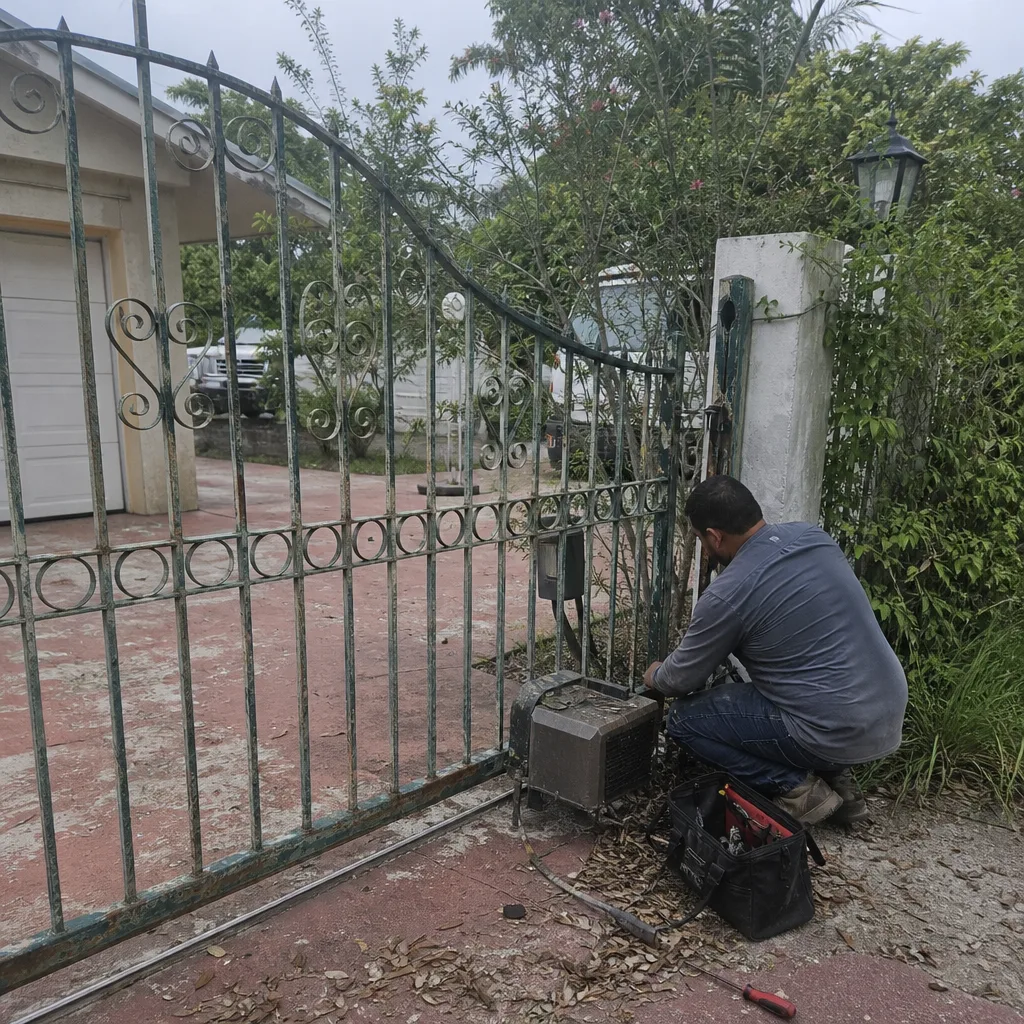 Before
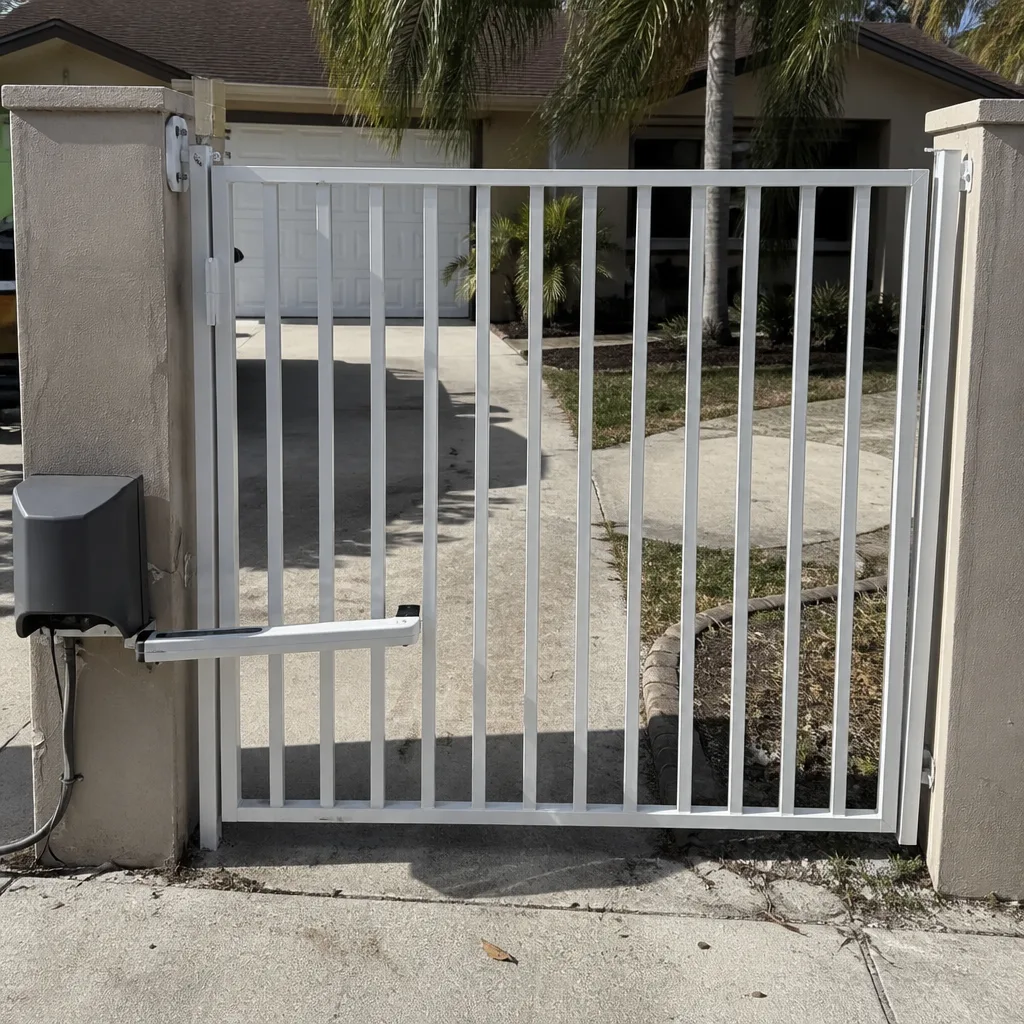 After
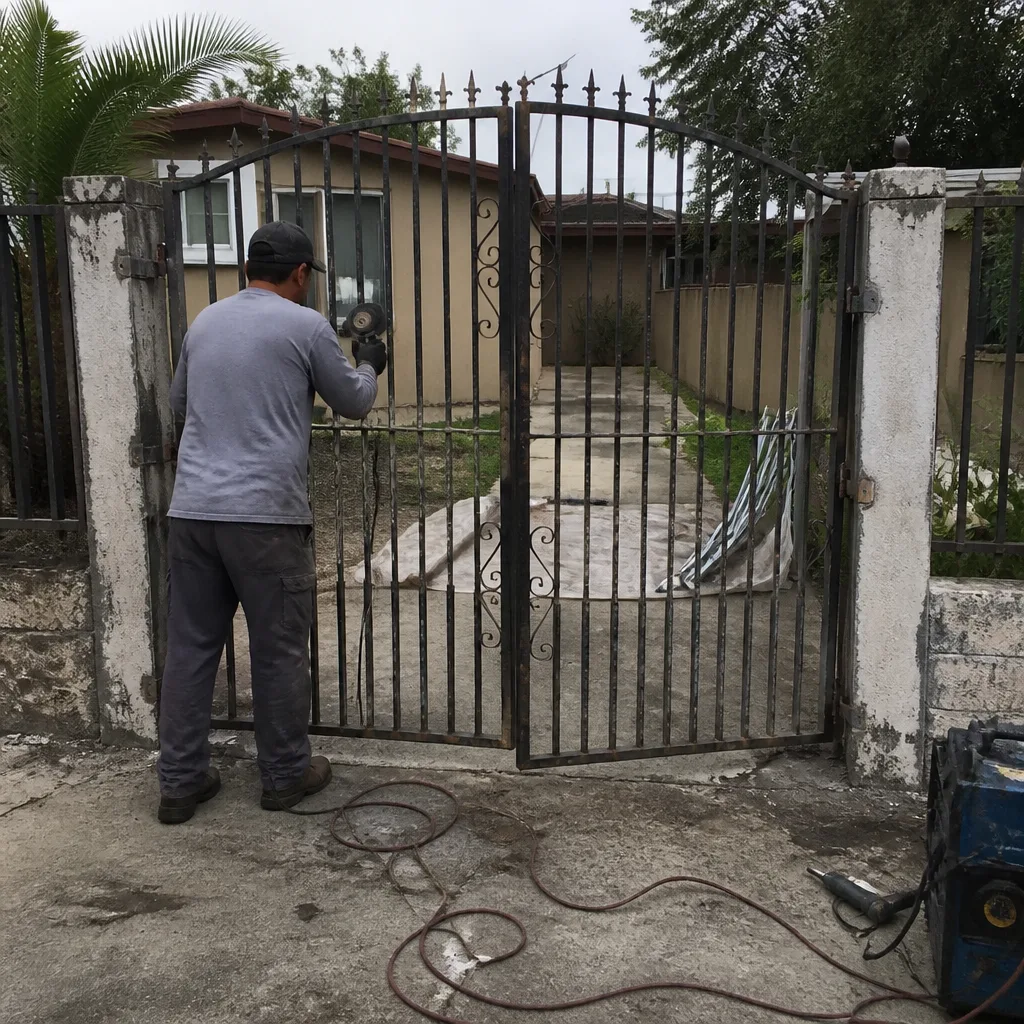 Before
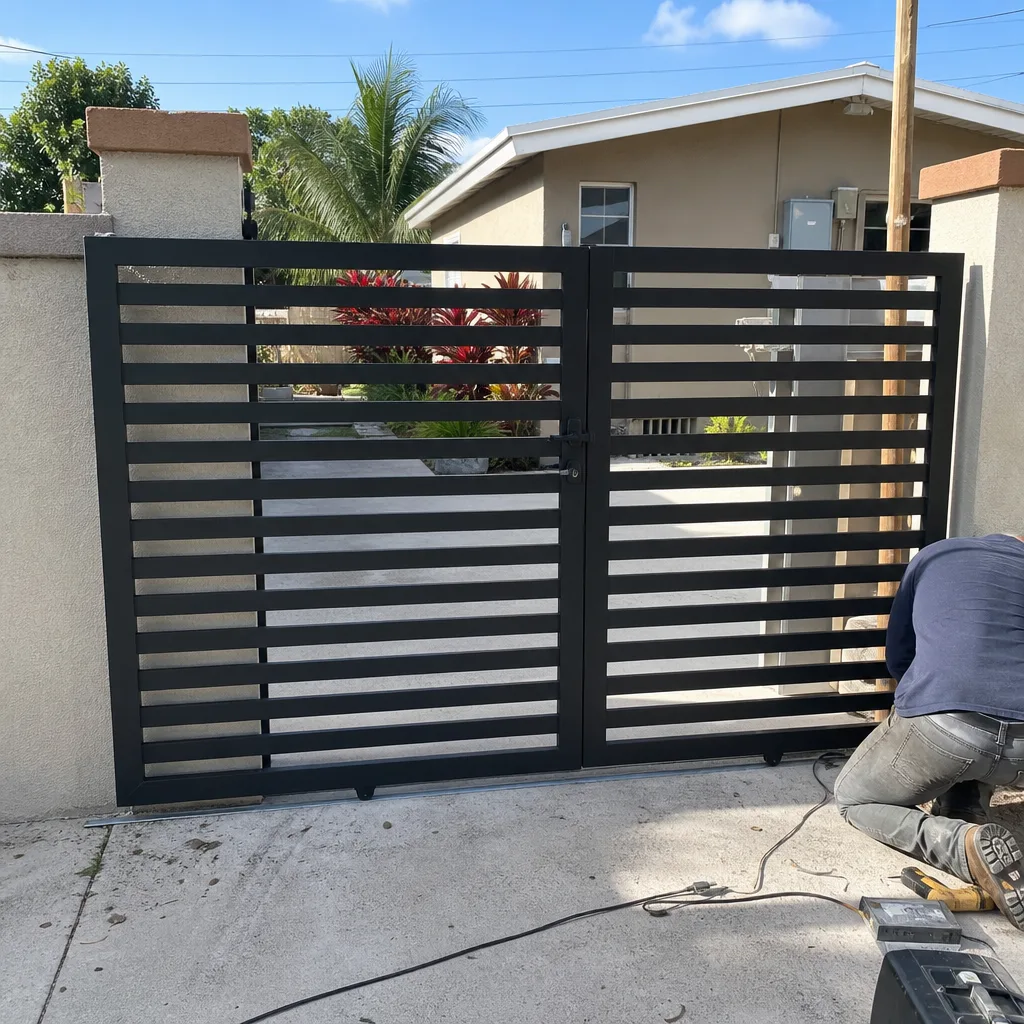 After
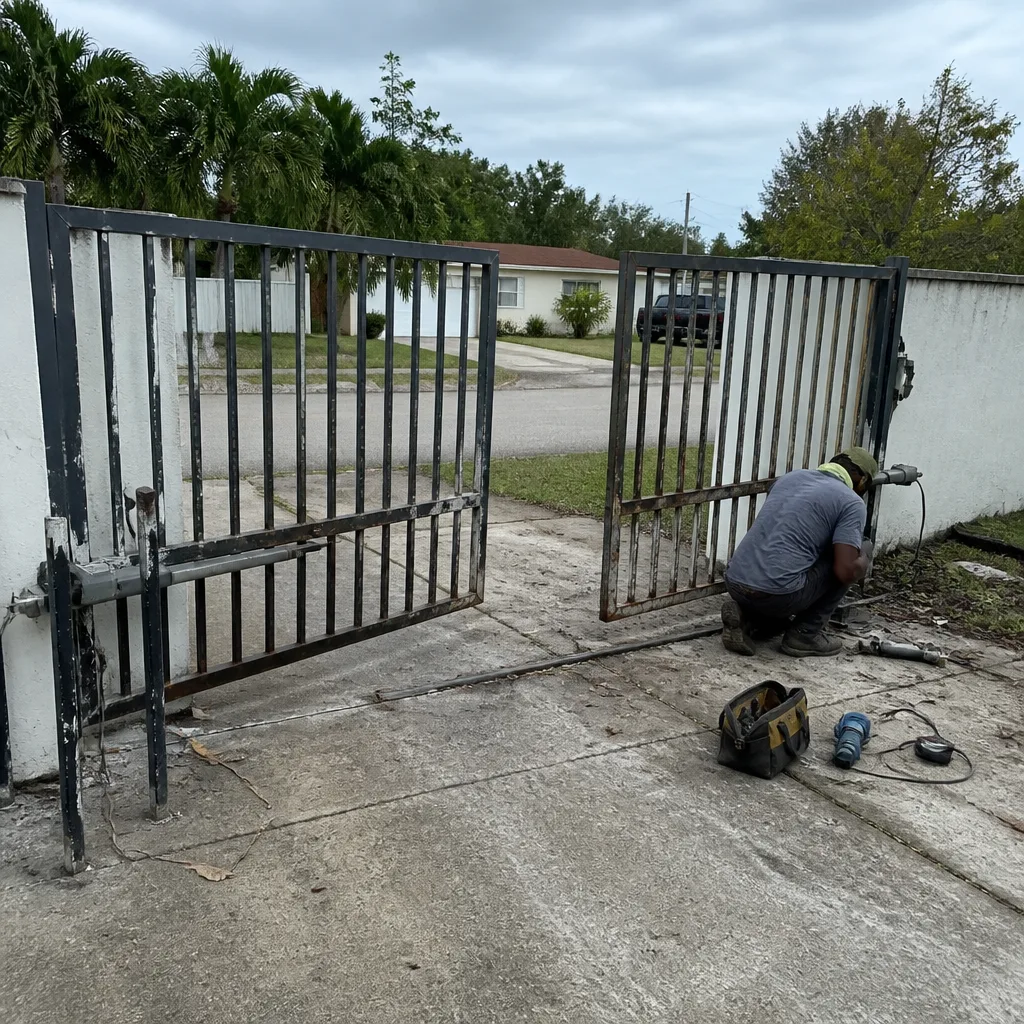 Before
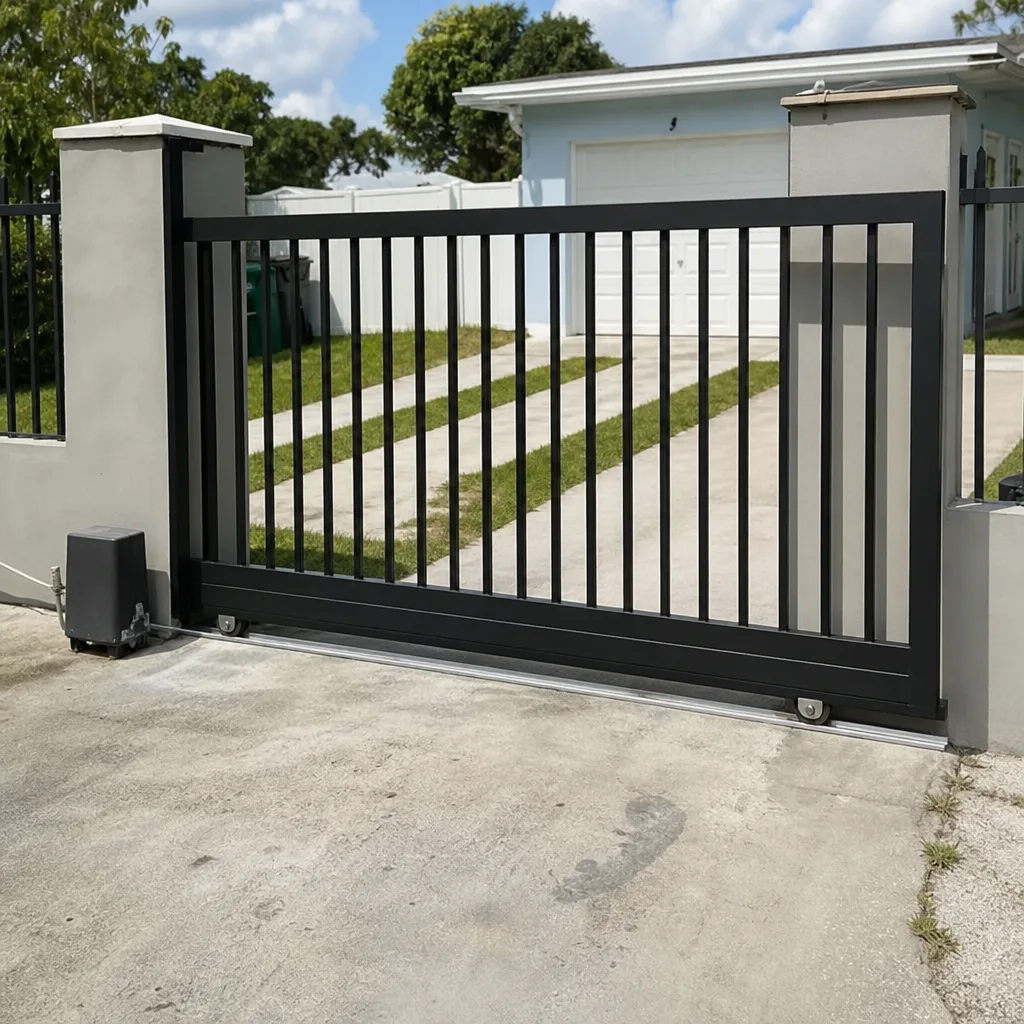 After