
Last updated October 30, 2026
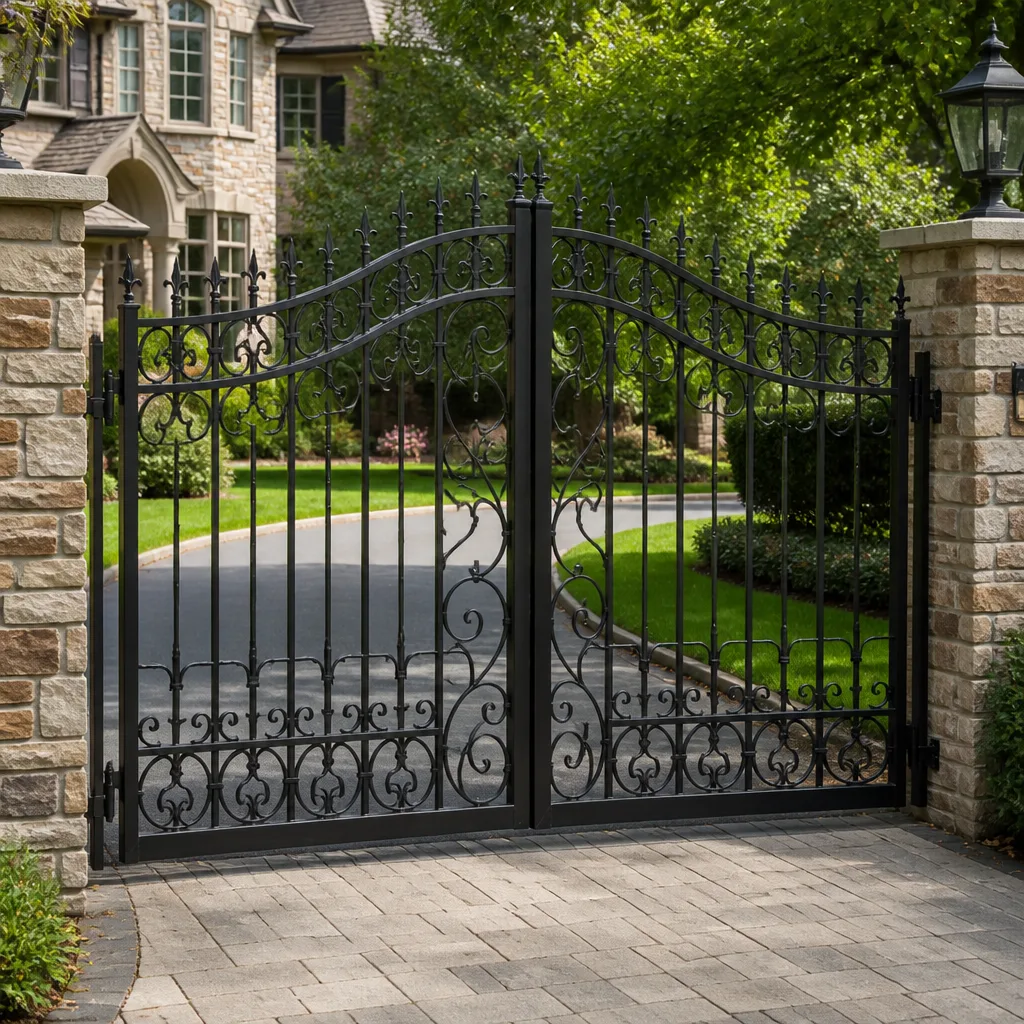 Wrought iron
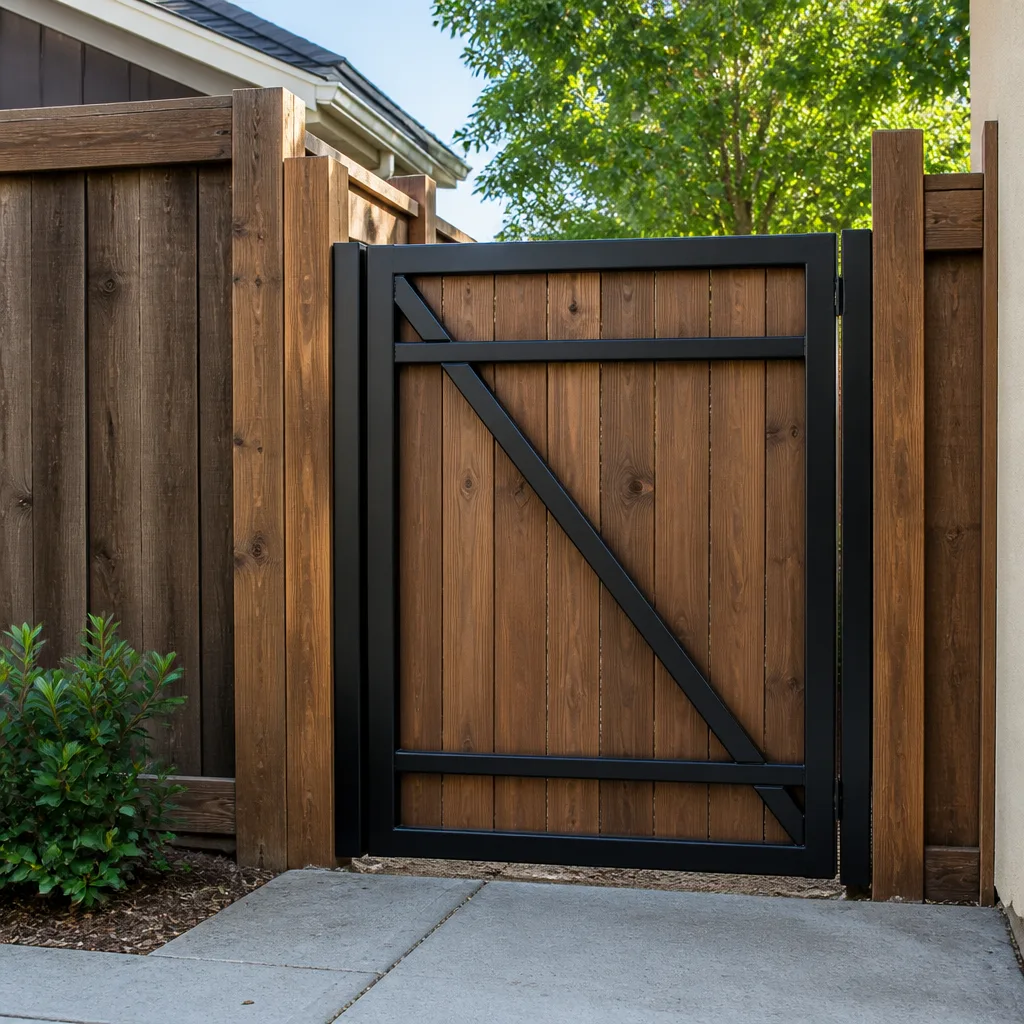 Wood & steel frame
 Farm & ranch
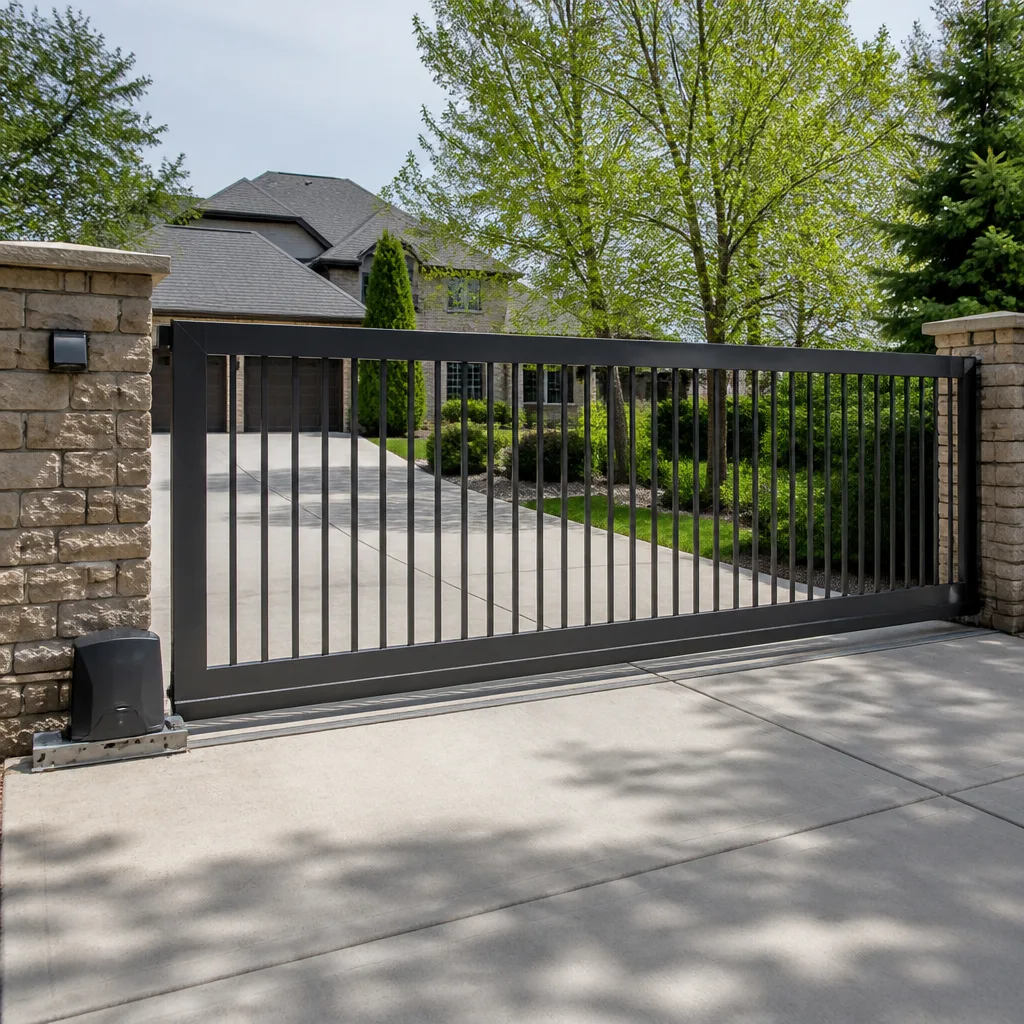 Sliding driveway gates
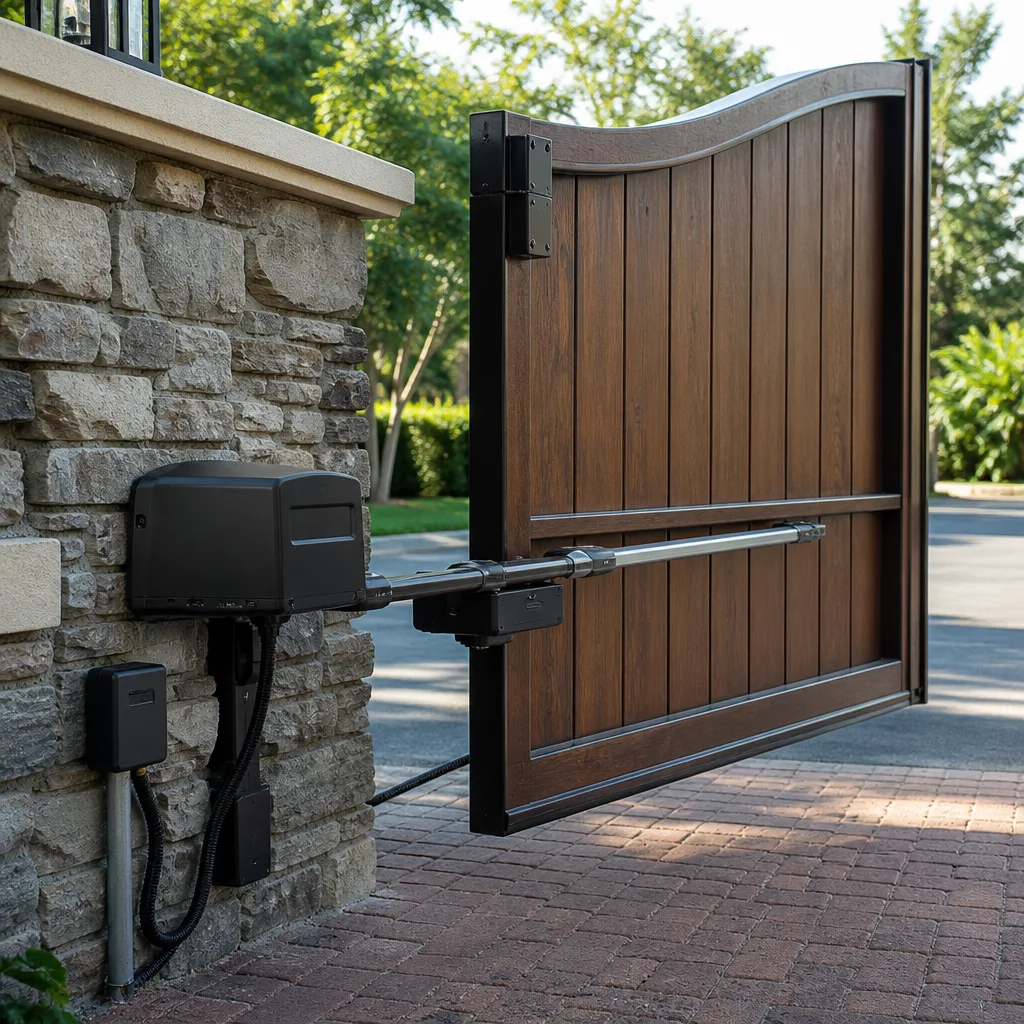 LiftMaster operators
Free on-site gate assessment - hinges, posts, and your LiftMaster or Nice gate operator checked before anything is quoted
The assessment is free and the quote is the invoice.
Get your free estimateThe Complete Guide to Gate Repair in Miami Gardens
Most gate failures in South Florida aren’t mechanical – they’re electrical, and the homeowner had no idea until the gate stopped mid-swing during a rainstorm. That’s the pattern we see week after week in Miami Gardens, and it’s why our Gate Repair services team put this guide together. You’ll learn how your gate actually works, what breaks first in this specific climate, what repairs should cost, and how to avoid paying for the same fix twice. We’ll walk through the mechanical layer, the electrical operator, and the access control system, because treating a gate failure as a single problem instead of a system diagnosis is exactly how most repairs end up failing again within a year.
Styles & brands we work with
Quick Answer
Gate repair in Miami Gardens typically costs between $185 and $650 depending on whether the problem is mechanical (hinges, wheels, alignment), electrical (motor, capacitor, control board), or access-related (keypad, loop detector, remote receiver). Most common repairs are completed in a single visit. The critical decision—whether to repair the existing operator or replace it—is one we cover in depth in our DIY vs Professional Gate Repair: The Miami Gardens Homeowner’s Decision Guide, and it comes down to the age of the unit, the failure point, and how well it’s been maintained against South Florida’s humidity and salt air.
Table of Contents
- How Your Gate Actually Works: The Three-Layer System
- Why Miami Gardens Climate Destroys Gates Differently
- Layer One: Mechanical Structure Failures
- Layer Two: Electrical Operator Failures
- Layer Three: Access and Control System Failures
- Brand-Specific Repair Profiles: What Breaks First
- What Gate Repair Costs in Miami Gardens
- HOA Rules and Permits in Miami Gardens Communities
- Common Mistakes to Avoid
- When to Call a Professional
- Frequently Asked Questions
- The Bottom Line
How Your Gate Actually Works: The Three-Layer System
Every automatic gate in Miami Gardens, whether it’s a sliding driveway gate in Andover or a swing gate at a property near Hard Rock Stadium, operates on three distinct layers. Understanding these layers before you pick up the phone will save you money, because you’ll be able to describe the symptom accurately. Most importantly, you’ll understand why a technician who only tests whether the gate moves is not actually diagnosing anything.
The first layer is the mechanical structure: the gate leaf itself, the hinges or rollers, the track or pivot points, and the physical stops. This layer carries all the weight and absorbs all the force. The second layer is the electrical operator: the motor, gearbox, capacitor, control board, and limit switches that convert electrical energy into motion. The third layer is the access and control system: the keypads, remote receivers, loop detectors, photo eyes, and any smart-home or intercom integration that tells the operator when to move.
Here’s what we mean by system diagnosis:
- Mechanical structure first. If a hinge is binding or a wheel is seized, no control board swap will fix it. The motor will burn out trying to overcome the resistance.
- Electrical operator second. Motor pulls too many amps? That’s a load problem upstream (mechanical) or a failing capacitor. Motor moves but won’t stop? That’s a limit switch failure.
- Access control third. The gate opens manually but not from the remote? The operator is fine. The receiver or transmitter is the problem. Skipping the first two layers and reprogramming remotes is the most common – and most expensive – mistake we see from generalist repair services.
Why Miami Gardens Climate Destroys Gates Differently
Miami Gardens sits roughly eight miles inland from the Atlantic, but that’s close enough for salt-laden air to travel, and the city’s humidity stays above 70% for most of the year. What this means for your gate is twofold: corrosion accelerates on exposed metal, and electronics fail from moisture intrusion that wouldn’t bother a gate in Orlando or Tampa. The salt-air proximity is the variable most homeowners don’t account for. It’s not just rust on the surface – it’s electrolysis at every connection point, pitting on motor shafts, and oxidation inside control board connectors.
Weld joints on steel gates in Miami Gardens fail at a measurably faster rate than on identical gates installed in inland Florida. The weld points create microscopic cracks where moisture collects, and the salt in the air turns that moisture into a slow-acting electrolyte. Hinge pins seize. Operator housings develop pinhole corrosion that lets rain in. Swing gate arms, especially on estate-style driveway gates in Carol City and Bunche Park, are the first to show hairline rust at the weld points.
The practical takeaway: if your gate is more than seven years old and hasn’t been repainted or resealed, you should expect mechanical components to be in worse shape than their age would suggest. This isn’t a defect in your gate – it’s geography.
Layer One: Mechanical Structure Failures
Before any electricity reaches the operator, the gate has to be physically capable of moving. Mechanical failures account for maybe a third of the repair calls we handle across Miami Gardens, and they’re the ones that cause cascading damage if ignored. A gate that drags on its track or binds at the hinge is putting load on the operator every single cycle. That load shortens the motor’s life dramatically.
Here are the mechanical problems we diagnose most often:
- Worn hinge pins and bushings on swing gates. The gate sags, scrapes the ground, or hangs off-square. On heavy iron driveway gates, this also stresses the operator arm at its mount point.
- Seized or flat-spotted wheels on sliding gates. A flat spot from sitting in one position through a Miami Gardens summer means the gate now thumps on every cycle. That thump is a shock load going straight into the motor gearbox.
- Bent or misaligned track sections. Often caused by a vehicle clipping the gate or by ground settlement after heavy rains. The gate binds at the same spot every time.
- Broken or stretched chains on chain-driven sliding operators. Chain tensioners fail, the chain jumps, and the gate jerks instead of gliding.
- Corroded weld joints. On ornamental steel gates, the uprights start separating from the bottom rail. This is a structural issue, not just cosmetic, and it worsens quickly in Miami Gardens’ humidity.
The mechanical layer is also where the repair-versus-replace decision often gets made. If the gate itself is rotted, corroded, or cracked at multiple points, a new operator won’t save it. We’d rather tell you that upfront than sell you a motor that will die fighting a gate that should have been retired. Our Gate Repair in Miami Gardens service always starts with this structural assessment.
Layer Two: Electrical Operator Failures
The operator is the box that does the actual work: the motor, the gearbox, the capacitor, the control board, and the limit switches. When a Miami Gardens homeowner says “the gate stopped working,” this layer is where the problem lives about half the time. And within this layer, the failures we see most are, in order: capacitor, limit switch, control board, then motor.
A failing capacitor in a single-phase motor is one of those problems that can fool you. The gate changes speed, or it starts only sometimes, or it hums but doesn’t move. A homeowner will sometimes describe the gate as “tired.” It’s not tired. The capacitor that gives the motor its starting jolt is dead or dying. The fix is a $40 component and a service call, not a new operator.
Control board failures are where brand knowledge starts to matter. A LiftMaster board and a FAAC board fail differently. A BFT board responds to a voltage spike differently than a Viking board. When a generalist technician opens an operator housing and sees a board they’ve never worked on, the default answer is too often “you need a new operator.” We take a different approach. At Miami Gardens Gate Repair home, our technicians diagnose the specific board fault before recommending replacement, because in many cases the board is repairable or replaceable for a fraction of the cost of a full operator swap.
One of the most misdiagnosed problems in the electrical layer is amperage draw. A motor that’s pulling 14 amps when it’s rated for 9 is telling you something. The generalist swaps the motor. The specialist checks the mechanical load first, because a motor only pulls excess amperage when it’s working against something, which is often a mechanical bind that hasn’t been addressed. Test voltage draw and torque load, not just whether the gate opens and closes.
Layer Three: Access and Control System Failures
The access layer is what most homeowners think of first, because it’s the part they touch: the remote clicker, the keypad by the driveway, the intercom, the phone app, the exit loop in the pavement. Problems here are the most common reason a gate stops responding to a command while still working fine when opened manually.
Loop detectors are one of the least understood components in a Miami Gardens gate system. That’s the device wired to a loop of wire buried under the driveway, which detects the metal mass of a car and tells the gate to open automatically. Miami Gardens’ heavy summer rains sometimes shift soil under driveway pavers, which can nick or break the loop wire. The symptom: the gate opens for cars leaving but not for cars arriving, or it cycles open and closed on its own when no one’s there. Loop replacement involves saw-cutting the driveway, splicing in new wire, and resealing it – not a DIY job.
Photo eyes and safety edges are the two access-layer components that are safety-critical. A photo eye misaligned by a strong storm gust can cause the gate to reverse mid-cycle or refuse to close. A damaged safety edge will do the same. These are not annoyances; they’re the gate doing its job. Do not bypass them. A gate that closes on a car or a child because someone removed a safety device is a liability no one needs.
Modern smart-home integration adds another wrinkle. Ghost Controls, Mighty Mule, and other recent-vintage operators have Bluetooth or Wi-Fi modules that pair with phone apps. These modules occasionally drop their pairing after a power surge. The fix is typically a simple re-pairing sequence, but pinpointing whether the failure is in the module, the app, or the receiver requires someone who’s worked with that specific ecosystem. If your remote works but the app doesn’t, the problem is in the smart module, not the gate.
Brand-Specific Repair Profiles: What Breaks First
Every gate operator brand has a personality, for lack of a better word, and after years of working on all of them side by side, we know what each one tends to do as it ages. This isn’t about brand loyalty – it’s about pattern recognition. We work on LiftMaster, FAAC, BFT, Linear, Viking, Ghost Controls, DoorKing, Elite, and Mighty Mule, so we see the full range.
LiftMaster. The most common failure is the capacitor, followed by the logic board on units that have lived through Miami Gardens lightning storms without a surge protector. LiftMaster operators are workhorses mechanically, but their boards are sensitive to power spikes. If your LiftMaster shows a flashing diagnostic code but the gate won’t move, you’re usually looking at a board-level problem, not a mechanical one.
FAAC. FAAC hydraulic operators are known for their long mechanical life, but they leak. Hydraulic fluid weeping from the pump or the ram seals shows up as a gate that moves slower and slower over months. The fix is a seal replacement and a fluid top-off, not a new operator. FAAC’s 24-volt control boards are also vulnerable to moisture intrusion through the housing gasket, which is a specific concern in Miami Gardens humidity.
Viking. Sliding-gate workhorse with a simple, serviceable design. What fails first on Viking units is the gearbox output shaft seal, followed by the chain tensioner. These are both replaceable. Viking’s control boards are comparatively robust against voltage spikes, which is why they show up so often on commercial properties around Miami Gardens.
Elite. Elite’s swing gate operators are popular on residential driveway gates, and the weak point is the limit switch assembly. When an Elite gate overshoots the closed position and then reverses, or stops short and beeps an error, the limit switch has drifted out of calibration or failed. Elite motors typically outlast their limit switches by years.
If you own a DoorKing, a Ghost Controls, or a Mighty Mule system, the same principle applies: the failure is usually predictable from the brand and the age of the unit. We know your gate brand because we work on all of them. That’s not a marketing line. It’s the difference between a technician who stares at an unfamiliar control board for twenty minutes and one who’s seen that exact fault code a hundred times. For electrical faults specifically, our Electric Gate Repair in Miami Gardens service covers diagnostics across every major brand.
What Gate Repair Costs in Miami Gardens
Repair pricing in Miami Gardens runs a little higher than in some neighboring cities, and that’s a function of the climate. Components fail faster at the weld joint and connector level, which means slightly more labor time on the average repair. That said, the ranges below represent what we’ve seen in this market. These are ballpark figures for the Miami Gardens area; the exact quote depends on your gate’s size, type, and condition.
- Capacitor replacement: $85-$185
- Limit switch replacement or calibration: $95-$165
- Chain tensioner adjustment or replacement: $110-$230
- Hinge pin or bushing replacement (single gate): $130-$260
- Track realignment (sliding gate): $150-$320
- Control board repair or replacement: $175-$520
- Loop detector replacement (excluding driveway saw-cut): $190-$410
- Motor/gearbox replacement: $280-$700
- Full operator replacement (labor included): $800-$2,400
The stated price is quoted and agreed before any work starts. You won’t get a call mid-repair telling you the bill doubled. What changes a quote is the condition of the mechanical layer: a motor replacement on a gate with a seized wheel is a different job than a motor replacement on a gate that moves freely. We’ll tell you which layer has to be addressed first, because installing a new motor on a binding gate is throwing money away.
If you’re weighing repair against replacement, the rule of thumb is this: if the operator is more than ten years old and the failure is in the control board or motor, replacement tends to make more financial sense. If the operator is younger than that, component repair is almost always the better call. And if you’re considering a full new system, our Gate Installation in Miami Gardens page covers the full scope of what a new automatic gate installation involves.
HOA Rules and Permits in Miami Gardens Communities
Miami Gardens has a significant number of gated communities and HOA-governed neighborhoods, particularly in the newer developments west of I-95 and around the Calder area. If you live in one of these communities, your gate repair isn’t just a household decision – it’s a compliance matter.
Many Miami Gardens HOAs include the driveway gate in their architectural control scope. The rule that catches homeowners most often is a requirement that the gate match the community’s approved design for color, material, and height. If you’re replacing a gate leaf rather than repairing it, the HOA may need to approve the replacement before it goes in. If the gate faces a public street, Miami-Dade County may require a permit for replacement work, depending on the setback. If the gate is entirely on the private side of the property line and you’re only repairing existing components, permits are typically not required.
Here’s a practical sequence that prevents problems:
- Check your HOA covenants or property manager for gate-specific rules before scheduling a replacement.
- If the gate faces a public right-of-way, confirm whether a permit is needed for the work scope.
- Repair work – hinge replacement, operator repair, control board swap – almost never triggers a permit in Miami Gardens.
- Full gate replacement or major structural modification is the line where permits and HOA approval become more likely.
- Your repair company should be able to tell you, based on the scope, whether to expect any approval requirement. If they can’t answer, find someone who can.
This is the kind of thing that separates a gate specialist from a handyman with a welder. A handyman will swap the gate and tell you not to worry about the HOA. Then the HOA finds out. Then the handyman’s phone stops ringing.
Common Mistakes to Avoid
- Bypassing safety devices. Disconnecting a photo eye or safety edge because the gate “keeps reversing” doesn’t fix anything. It creates a hazard. The right move is to realign or replace the device.
- Lubricating without cleaning first. Spraying grease onto a track that’s packed with Miami Gardens grit turns it into grinding paste. Clean the track and rollers, then lubricate.
- Replacing the remote before testing the receiver. If the gate opens from the keypad but not the clicker, the remote battery is the first check. If two remotes fail at once, the receiver is the problem, not the remotes.
- Ignoring a slow gate. A gate that’s gradually moving slower is telling you something specific: hydraulic leak on a FAAC, low voltage on a LiftMaster, mechanical bind on a sliding gate. None of these fix themselves.
- Painting over rust without treating it. A fresh coat of paint over active corrosion in Miami Gardens humidity will bubble within months. The rust has to be ground out and treated first.
- Waiting until the gate is fully dead to call. The moment your gate makes a new noise, changes speed, or hesitates, the problem is cheaper to fix than it will be after another hundred cycles.
- Letting a non-specialist diagnose electrical problems. A generalist who tests function but not voltage draw or torque load will miss the root cause and replace the wrong part. That’s how you pay twice.
When to Call a Professional
Call a gate repair company the moment you notice any of these: a new grinding or screeching sound during operation, a change in speed or hesitation, the gate reversing when it shouldn’t, visible sagging or scraping, water inside the operator housing, or any error codes or warning beeps from the control panel. These are not quirks. They are early warning signs of a component that’s already failing.
If you live in Miami Gardens and your gate is acting up, Miami Gardens Gate Repair offers free estimates in Miami Gardens – call (855) 382-0732. We’ll assess the mechanical structure, test the operator’s electrical draw, and check the access system before recommending anything. From a bent hinge to a failed control board, gates are all we do.
Frequently Asked Questions
Gate repair in Miami Gardens typically costs between $185 and $650, with simple component swaps like capacitors at the lower end and control board or motor replacements at the higher end. The exact quote depends on the gate type, size, and the specific failure. Call (855) 382-0732 for a free estimate.
Most common repairs, including capacitor, limit switch, and control board replacements, are completed in a single visit because our technicians carry parts for LiftMaster, FAAC, BFT, Viking, Ghost Controls, DoorKing, Elite, and Mighty Mule operators. If a part has to be ordered, we’ll tell you before the visit, not after. Call (855) 382-0732 to schedule.
That symptom points to a safety device triggering: a misaligned photo eye, a damaged safety edge, or an obstruction sensor reading a false positive. The fix is realignment or replacement of the device, not bypassing it. It can also be a limit switch drifting out of calibration, especially on Elite and older LiftMaster units.
For repair work on existing gates, permits are generally not required in Miami Gardens. For full gate replacement, or for gates facing a public right-of-way, Miami-Dade County or your HOA may require approval. Your repair company should be able to confirm this based on your specific scope.
A gradual slowdown points to one of three causes: a hydraulic leak on a FAAC or similar operator, a failing capacitor on a single-phase LiftMaster motor, or a mechanical bind from a worn wheel, hinge, or track. Each has a different fix, so the diagnosis matters more than the symptom.
The keypad itself, the keypad wiring, or the receiver channel the keypad uses is the problem, not the operator. This is an access-layer issue. A technician can determine whether the keypad needs reprogramming or replacement in minutes. Call (855) 382-0732 for a free estimate on diagnosis and repair.
The Bottom Line
Your gate is a system, not a single machine. The mechanical structure, the electrical operator, and the access control layer all have to work together, and in Miami Gardens, the climate is working against all three at once. Diagnosing the correct layer is the difference between a $185 capacitor swap and a $2,400 operator replacement. The best defense is paying attention: a new sound, a slower cycle, a hesitation – these are early signals. Catch them early, and most gate repairs in Miami Gardens are routine. Ignore them, and you’re buying a note for a larger bill. Call (855) 382-0732 for a free estimate and a diagnosis that starts at the right layer.
Written by the team at Miami Gardens Gate Repair, serving Miami Gardens since 2012.
See the difference
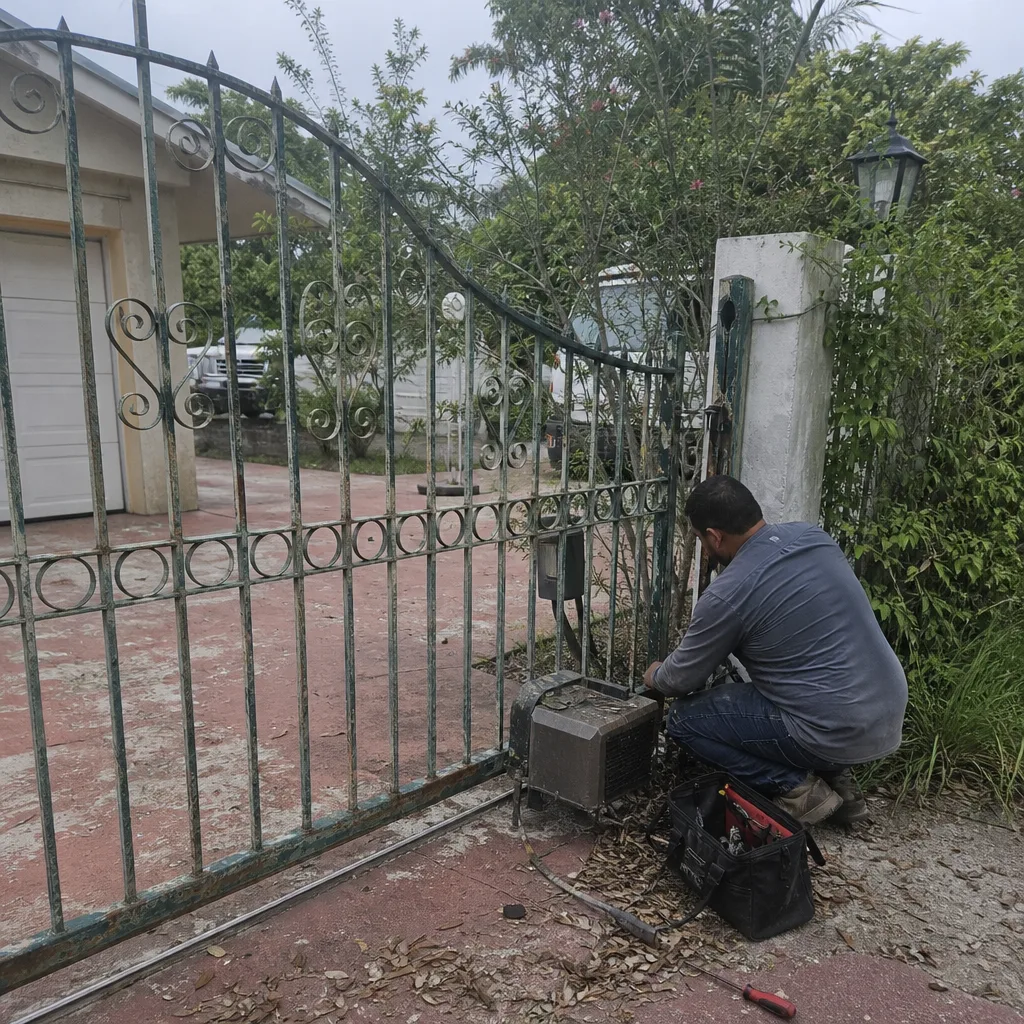 Before
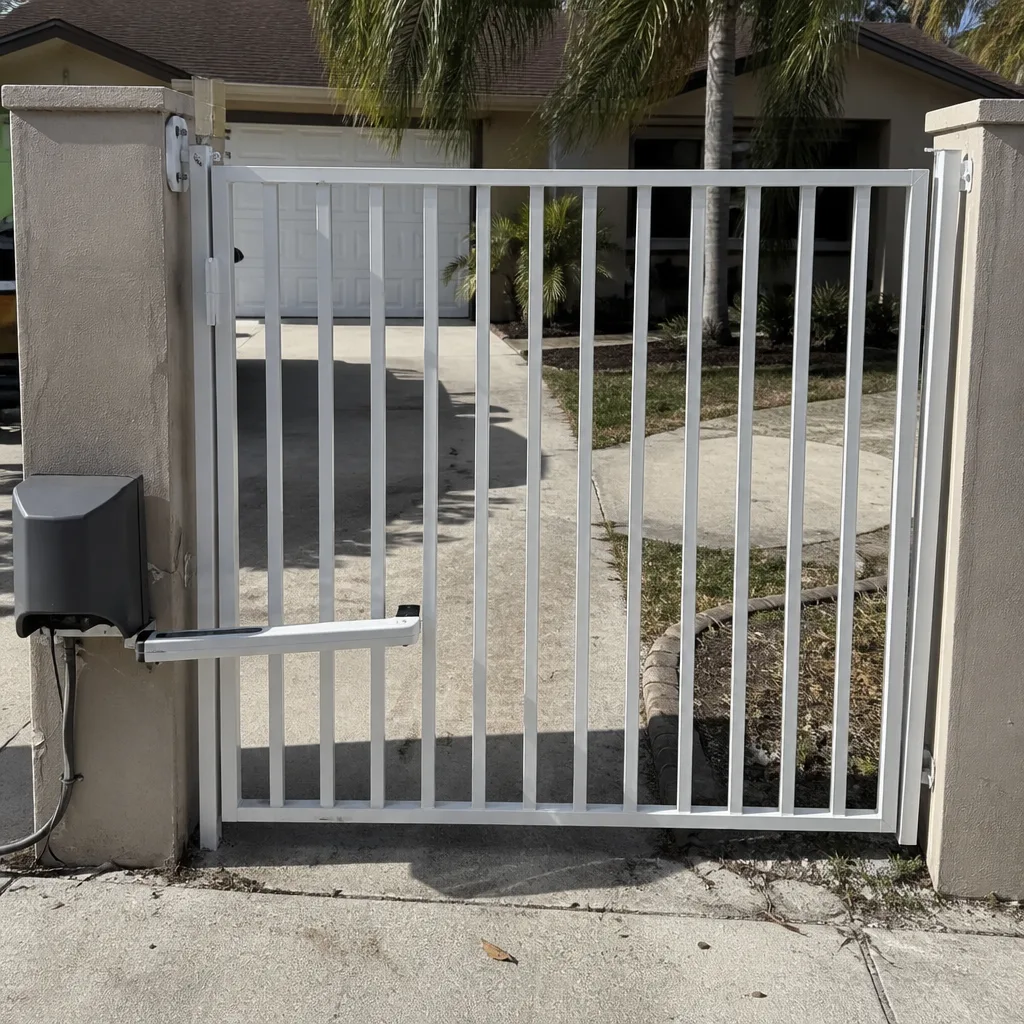 After
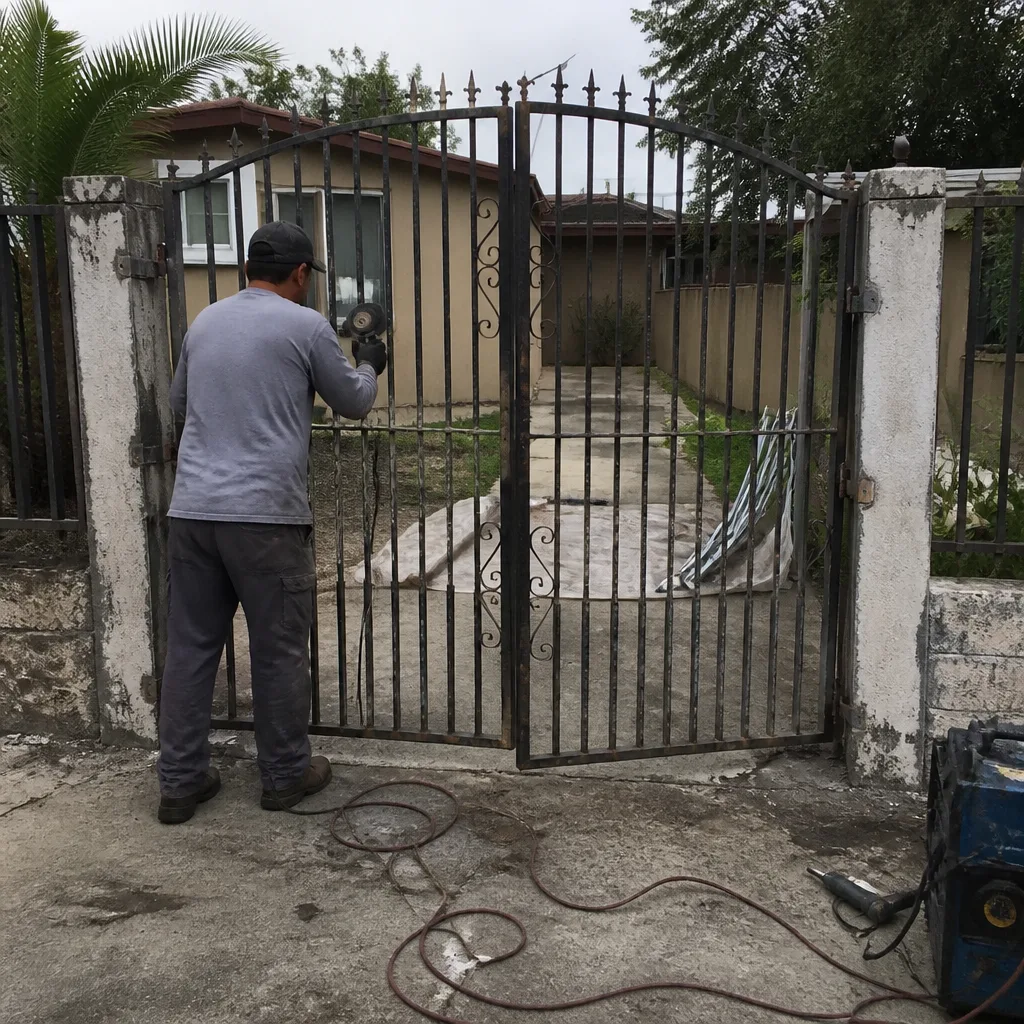 Before
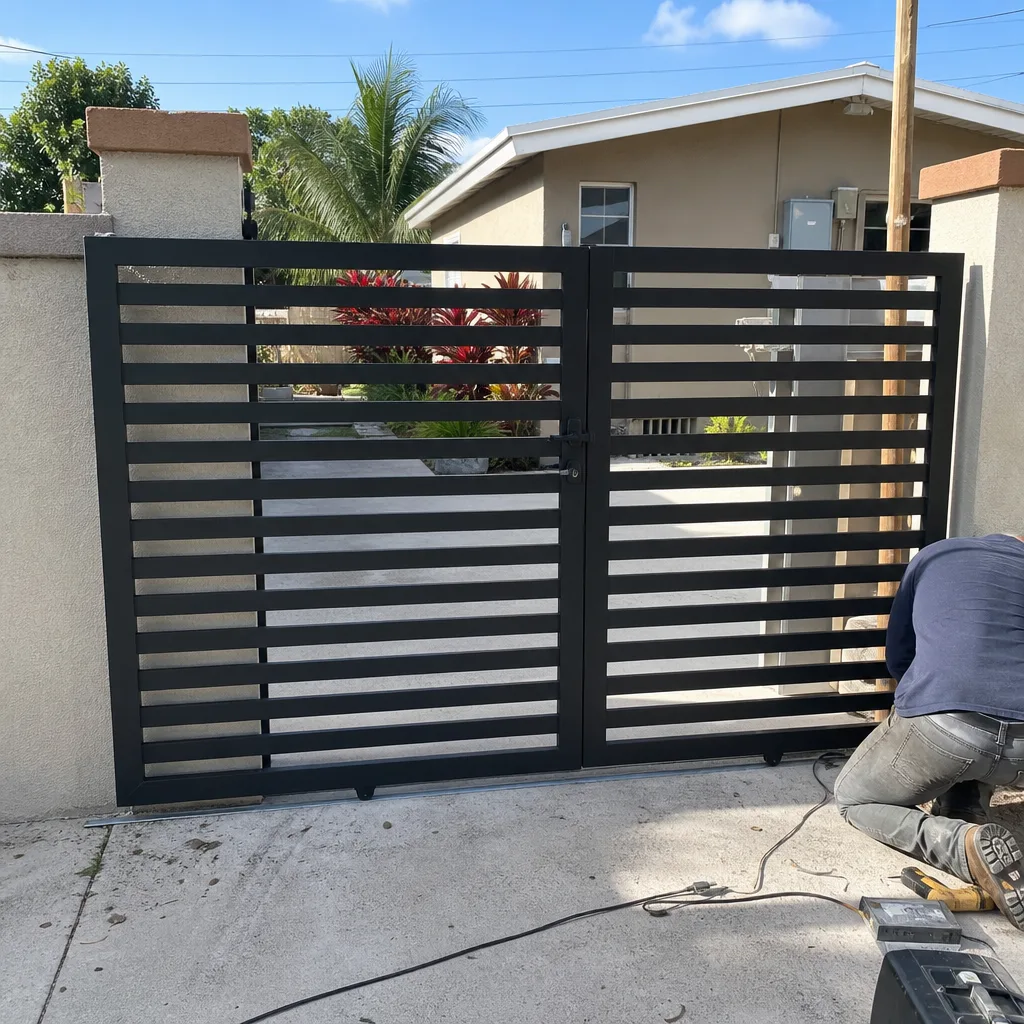 After
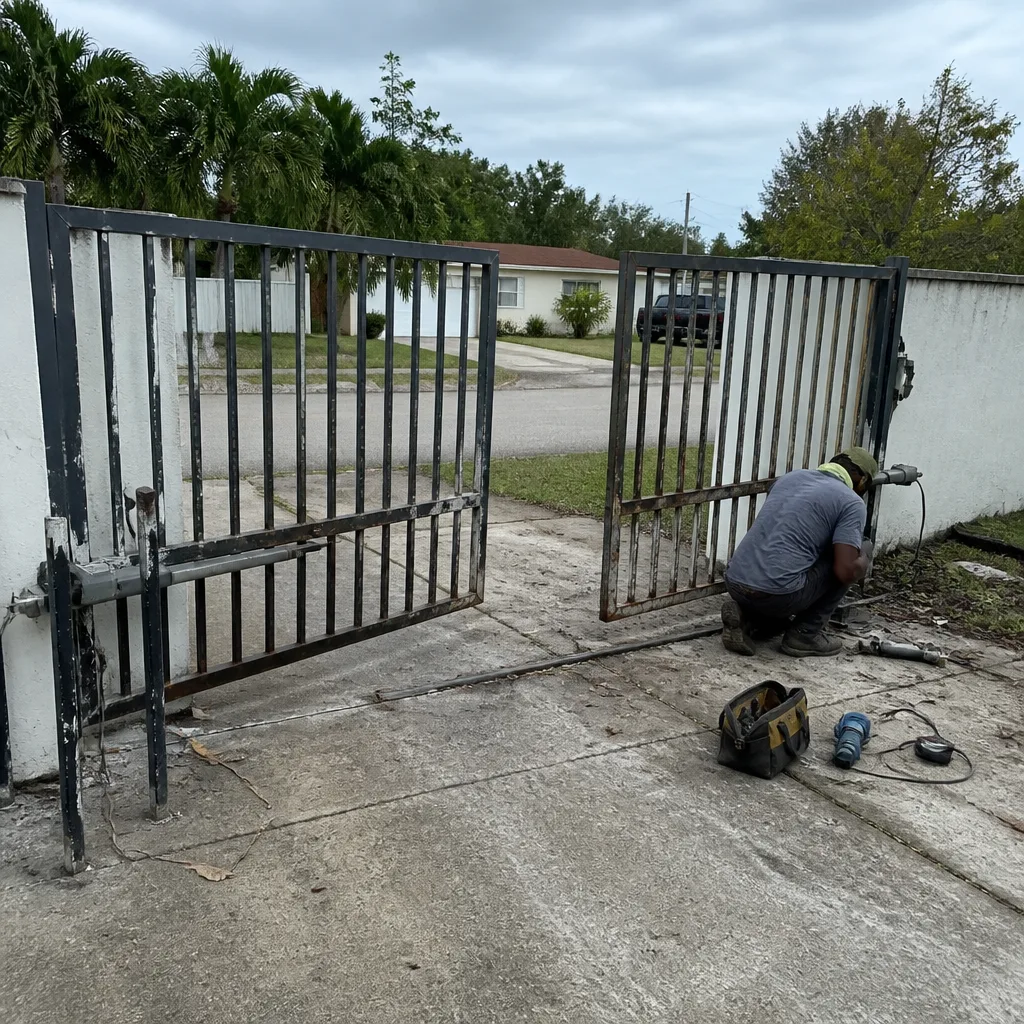 Before
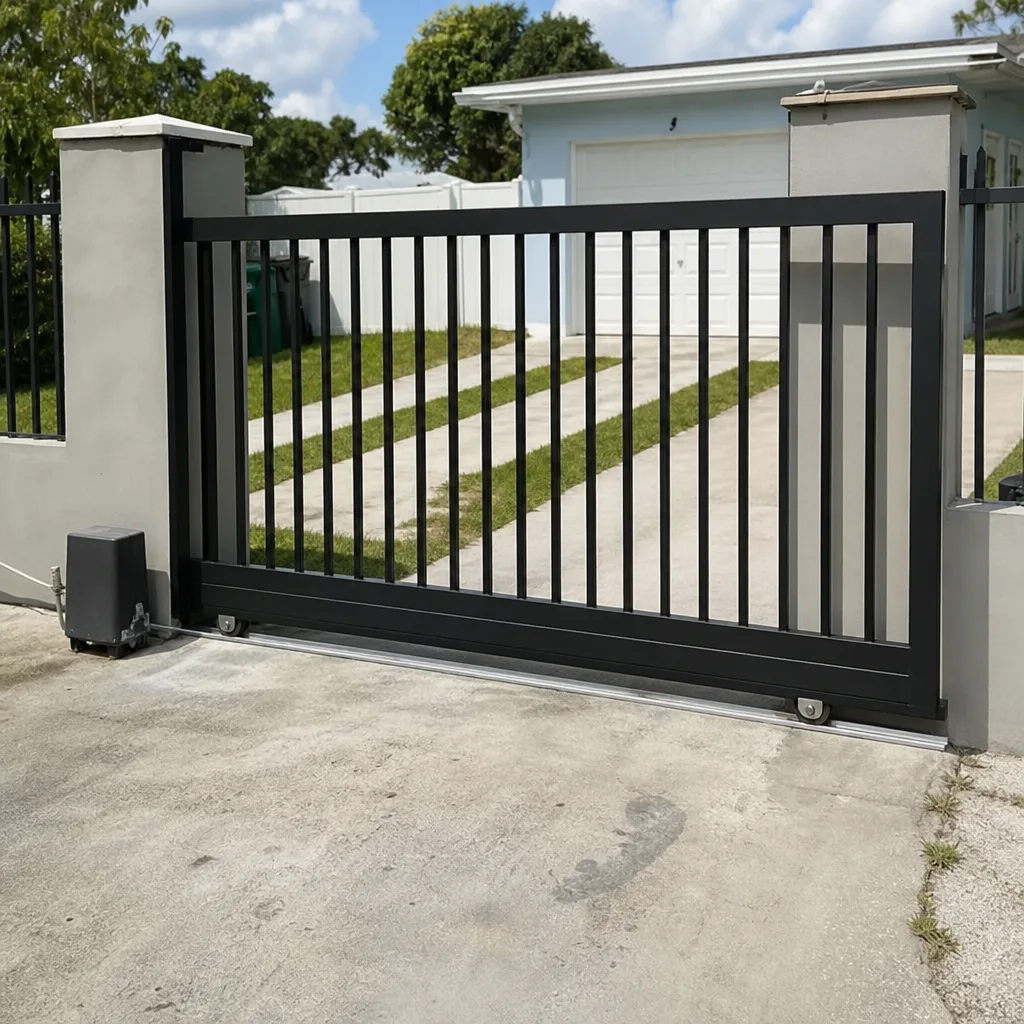 After